

They survived torture in captivity, yet once free they are forced to continue fighting for their rights. One in five civilians who returned from captivity this year did not receive any state assistance. All because of gaps in the legislation.
In order to receive compensation or free medical treatment, people must first prove that they were thrown into torture chambers specifically because of their active pro-Ukrainian stance. This is often impossible, which is why thousands of people, after regaining their freedom, are left without support.
What is happening to the rights of civilian detainees, and is there any chance of improving the situation? Read more in the article below.
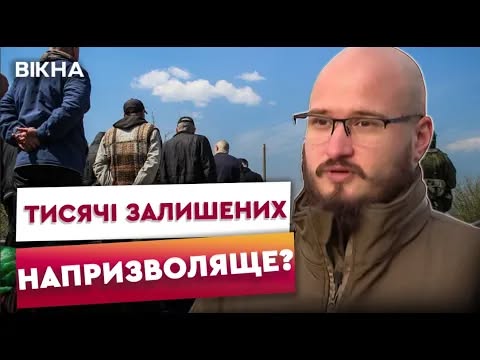
Daniil Bulhakov currently works with three civil society organizations at once. He helps civilians who, like him, endured captivity and torture and, after their release, were left to face their problems alone.
“We have thousands of people who have been abandoned by the state,” he says.
Daniil is originally from Donetsk. When the city was occupied, he left to study in Kharkiv. In 2019, however, he returned to care for his grandmother, who had cancer. A year later, immediately after her death, the occupying forces came for him.
“They knocked on the door and showed their IDs through the peephole. As soon as I opened it, the door was kicked in, people in special gear burst inside, threw me to the ground, and put a bag over my head.”
Daniil was accused of espionage and brutally tortured until he signed a confession.
“They chained me to a chair. A man came from Moscow and said outright that he had come specifically for me. At first, they tortured me with electric shocks, and in the end they ground down several of my teeth.”
Daniil spent more than three years behind bars. Seven months of that time were spent in the notorious Izoliatsiia torture facility. No trial took place – not even a fabricated one. In 2023, he was released. After raising money, he finally managed to return to Ukraine last year via Belarus.
But when the hell of torture chambers ended, another ordeal began in freedom. He found himself in a new place without money or documents.
Ukraine has a law that guarantees assistance to civilians who survived captivity. They are entitled to a one-time payment of 100,000 hryvnias, plus an additional 100,000 hryvnias for each year spent in detention. Medical treatment and rehabilitation, including psychological support, are also provided. More recently, they have been granted the right to a deferment from mobilization.
However, in order to receive these guarantees, people must first prove that they were held in captivity. For those who regained their freedom not through official exchanges but on their own, this is extremely difficult.
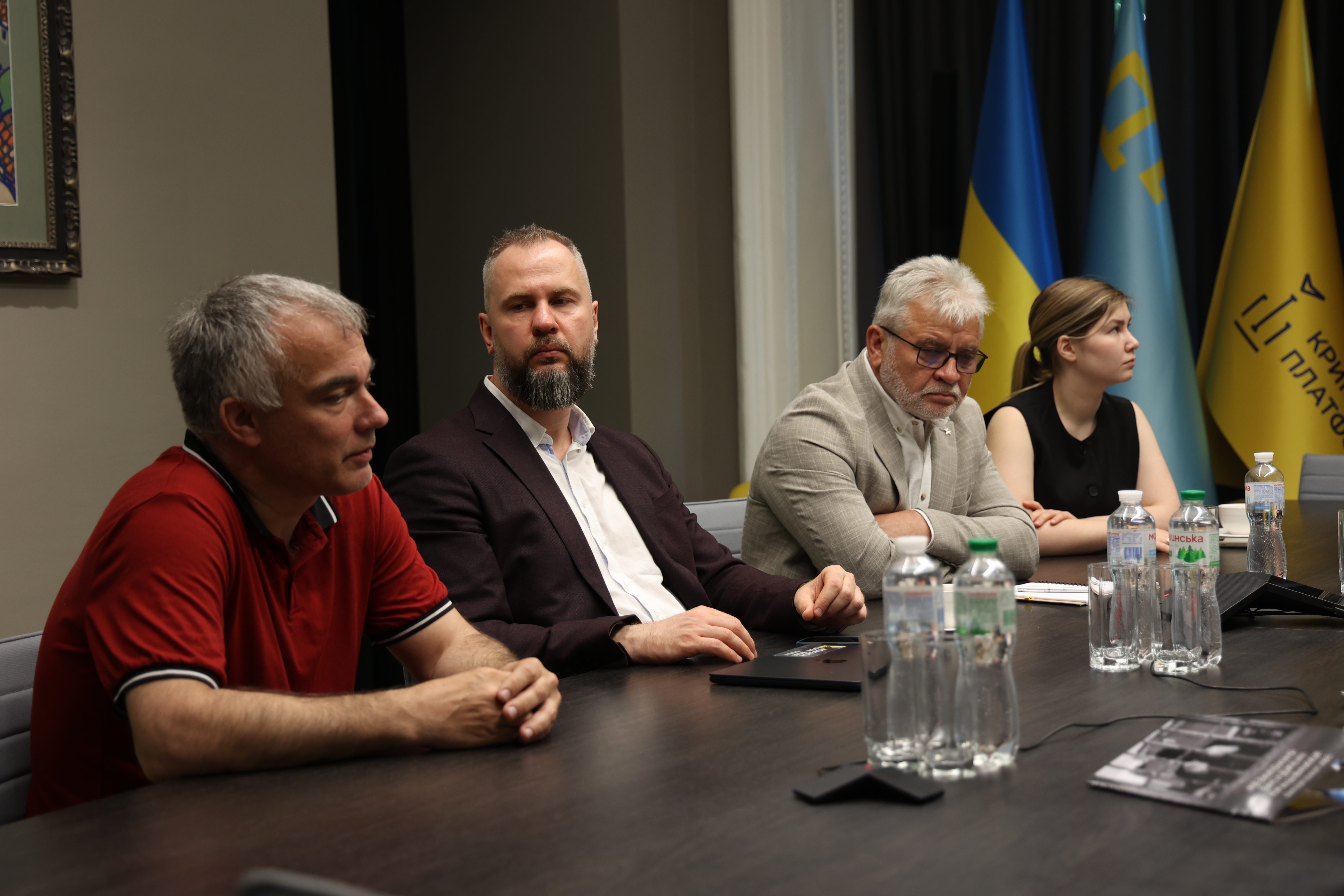
Olha Skrypnyk, Chair of the Board of the Crimean Human Rights Group, says that people were abducted and taken captive in the occupied territories for various reasons.
After being held for two or three months, and sometimes up to half a year, Russian forces would release them. But, of course, no one would ever issue a document stating, “Yes, we held you in a basement.”
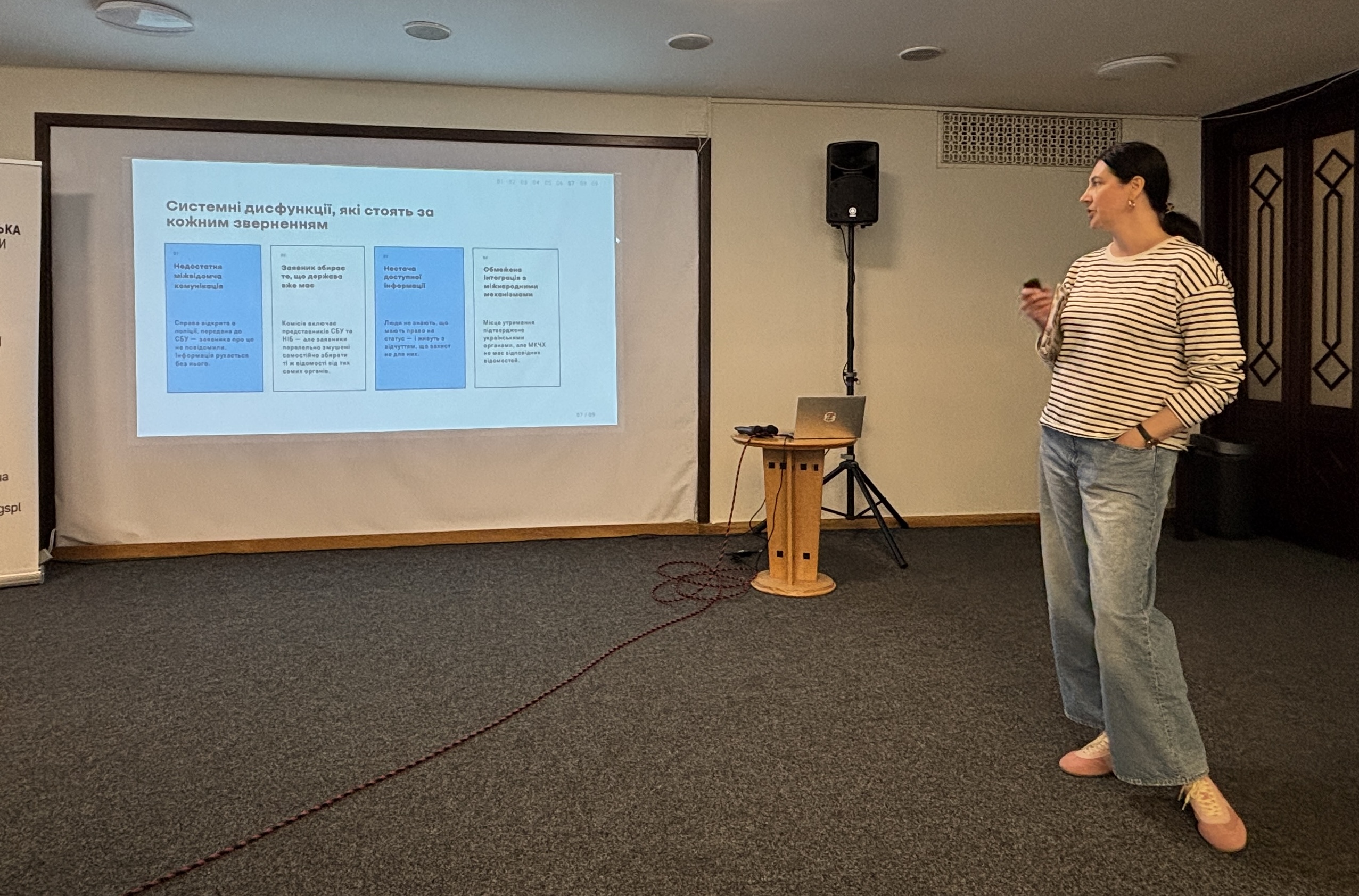
The status of a former detainee is granted by a special commission, which meets once a month at the Ministry for Communities and Territories Development. It consists of 18 members – representatives of ministries, the police, the Security Service of Ukraine, and four civil society organizations. Ms. Skrypnyk is also a member of this commission. She says she often personally helps people search for evidence of their captivity.
“I call many people; they name witnesses. I call those witnesses, and together we try to find at least some threads to hold on to.”
Finding confirmation that you were held in a torture facility is still not enough. Under the law, only those who were detained specifically because of an active pro-Ukrainian stance are recognized as former captives.
Daniil managed to obtain official captive status thanks to a certificate issued by the FSB stating that he had been held on charges of espionage. Even so, he had to wait more than six months for the commission’s decision and the payments. Without the support of friends, it would have been extremely difficult for him to get back on his feet.
“This law works only for so-called heroic heroes. You are considered a civilian hostage only if you publicly defended your position – if you threw a grenade somewhere or openly demonstrated resistance to the occupiers.”
Meanwhile, Russian forces are imprisoning far more than just activists. People are being detained en masse simply for speaking Ukrainian or displaying Ukrainian symbols. According to various estimates, between 10,000 and 20,000 people are currently being held in captivity.
“They can come for you simply because you are a relative of an ATO veteran or a journalist, or because you weren’t among the first to line up for a Russian passport. Or because a collaborator pointed a finger at you and filed a denunciation,”
explains Ihor Kotelianets, Head of the Board of the Association of Relatives of Political Prisoners of the Kremlin.
That is why civil society organizations – including those represented on the commission itself – are now demanding that the government amend the legislation so that support is provided to all people unlawfully detained by the occupying forces.
“Such approaches, where the commission provides assistance only to those who manage to prove something, turn social support into a reward,”
the activist adds.
“Even if people do not formally fall under the law, that does not mean they do not need support. There should at least be some basic payment. It doesn’t have to be one hundred thousand – even a small amount to cover basic needs, restore documents, and start a new life would make a difference,”
concludes Olha Skrypnyk.
The conditions under which the Russian Federation holds civilian detainees were also discussed by Vikna in an interview with human rights defender and former Russian political prisoner Liudmyla Huseinova.
Read the original text (in Ukrainian) on the Fakty website.