Law No. 2010-IX was meant to protect those deprived of liberty as a result of the armed aggression against Ukraine. It was adopted in January 2022, when there were around 200 unlawfully imprisoned civilians and Kremlin political prisoners. After the full-scale invasion, Russia began detaining civilians on a mass scale — without charges, without documents, without explanation. Today there are more than 20,000 such people. But the protection mechanism that should kick in after their release does not match this reality.
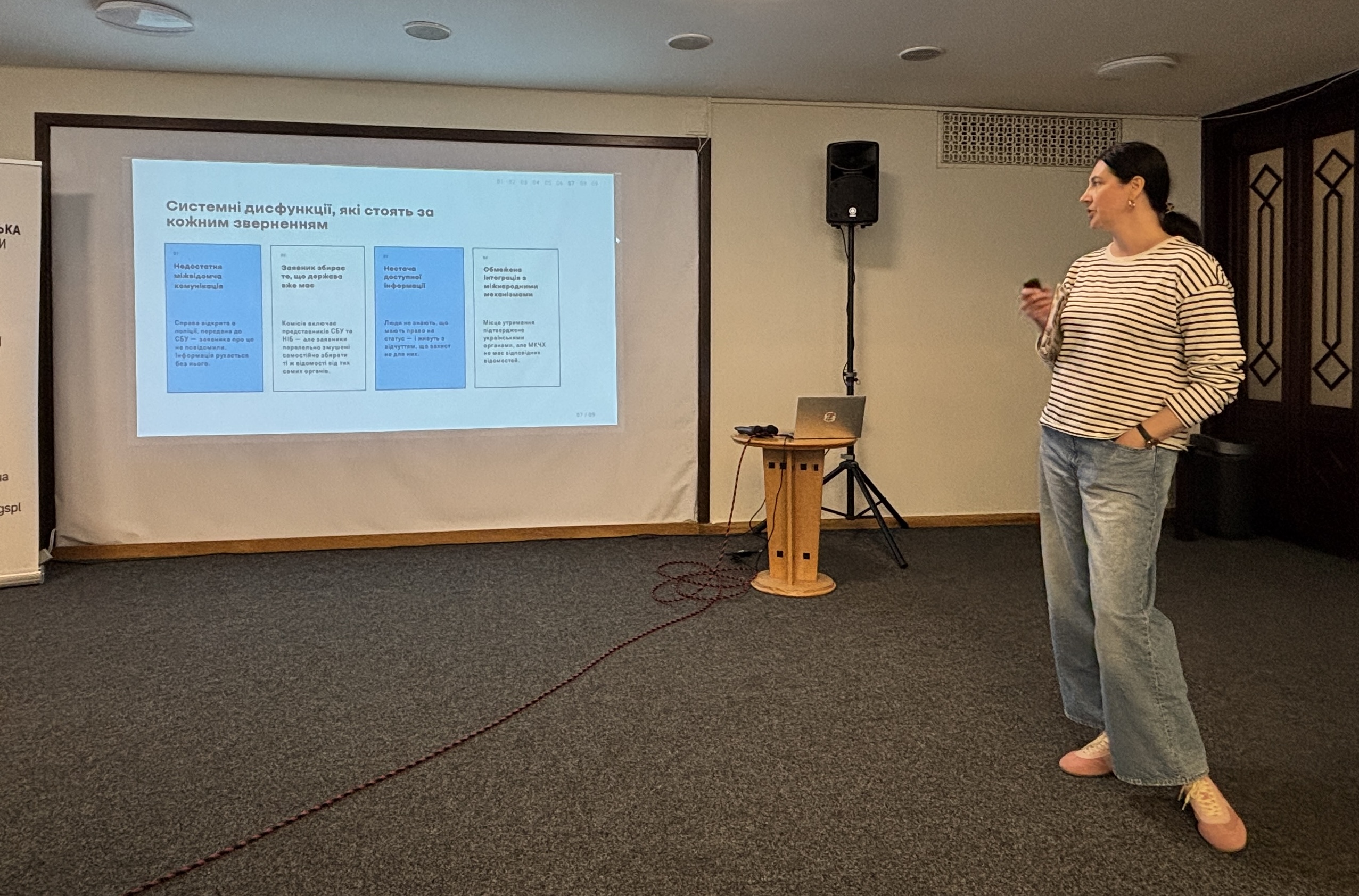
The law does not grant assistance automatically. After release, a person has to go through a separate procedure to have the fact of their deprivation of liberty officially established — and this often drags on for months. Even this procedure does not guarantee a result: according to our calculations based on freedom-of-information requests to the Ministry of Development, the Commission on the Establishment of the Fact of Deprivation of Personal Liberty refuses around 60% of applications. Applicants receive no clear explanation for the refusal and have no real opportunity to be heard. The Commission itself is appointed without an open selection process.
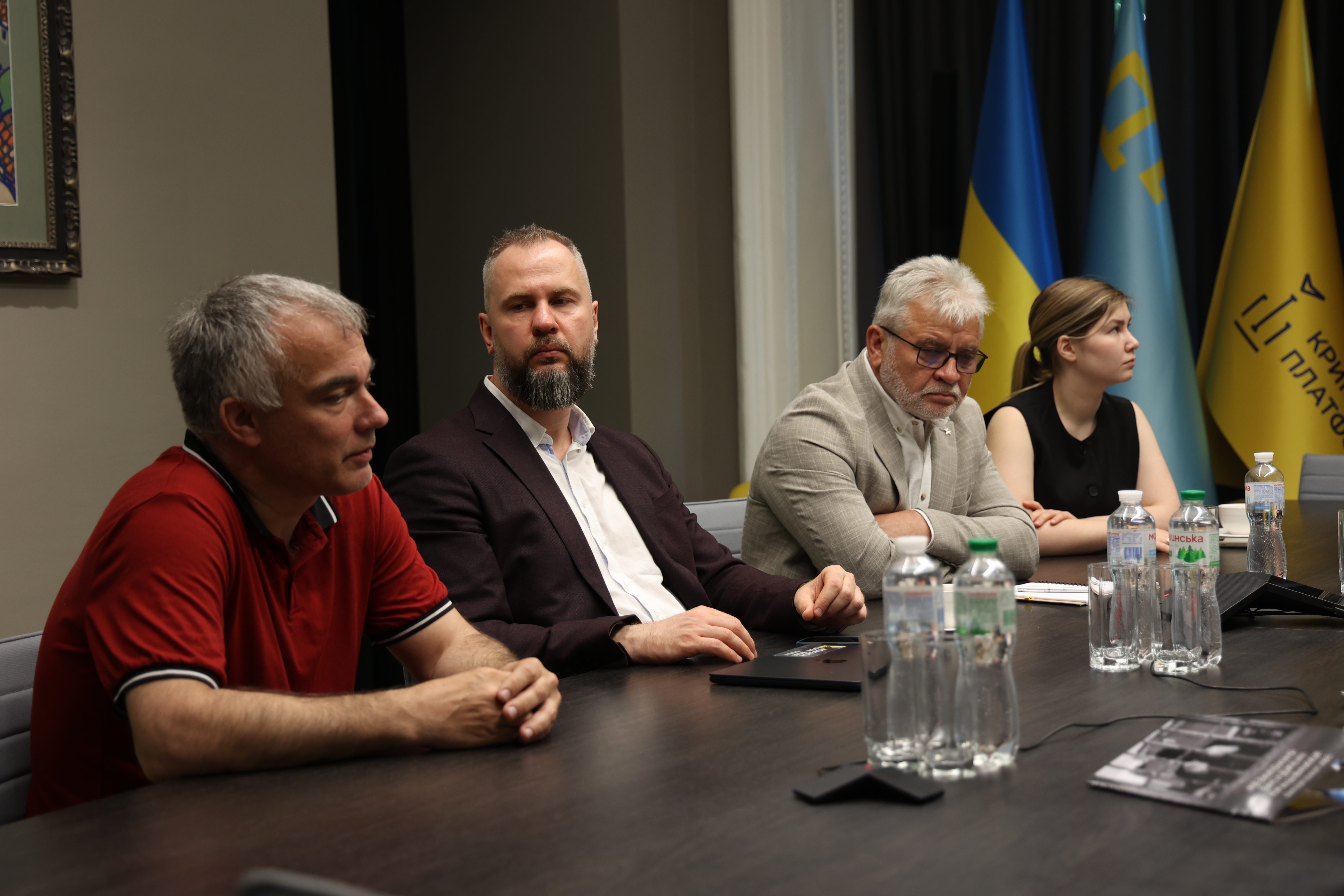
These problems were the reason for the meeting held last week by the Union of Relatives of Kremlin Political Prisoners together with our partner organisations: Sich Human Rights Group, Civilian Free, the Andreiev Family Foundation, and the Ukrainian Helsinki Human Rights Union.
We are working together on changes at two levels — both to the law itself and to the Commission's practice. Back in January, together with members of the Committee of the NGO Civilian Hostages of the Kremlin, we drafted amendments to the law and sent them to the Verkhovna Rada, the Office of the President, and the Office of the Ombudsman. The aim is to change the state's approach: to provide assistance to a person immediately upon release, to expand the range of people the law covers, and to make the Commission's work more transparent.
At the meeting, we agreed on concrete next steps: to prepare a joint appeal to the Office of the President, the Office of the Ombudsman, and the Verkhovna Rada Committee on Human Rights setting out arguments for amending the law; to launch a public advocacy campaign; and to hold a roundtable with key decision-makers.
Behind every Commission refusal is more than just a case file. It is a person who has already lived through captivity.