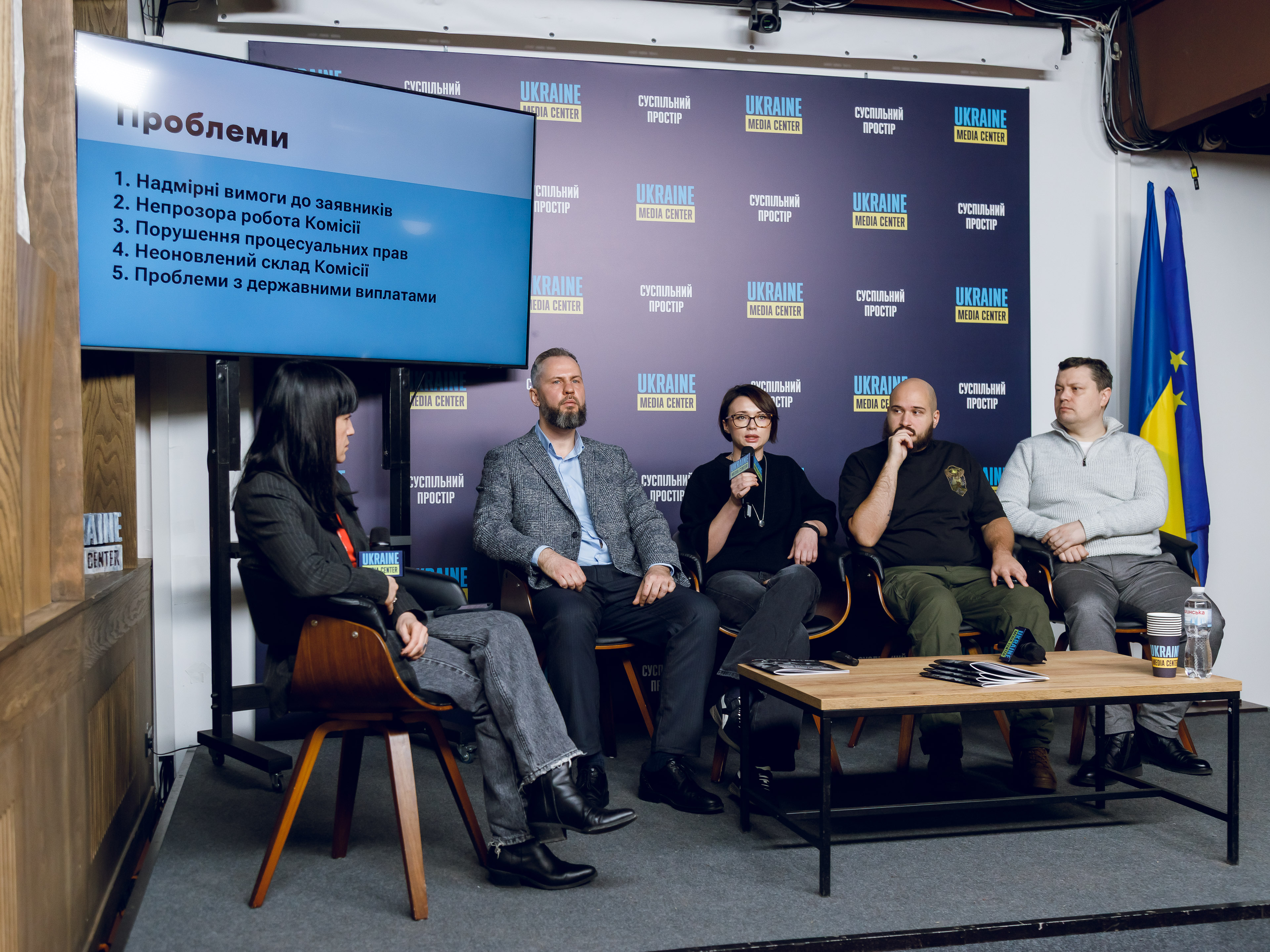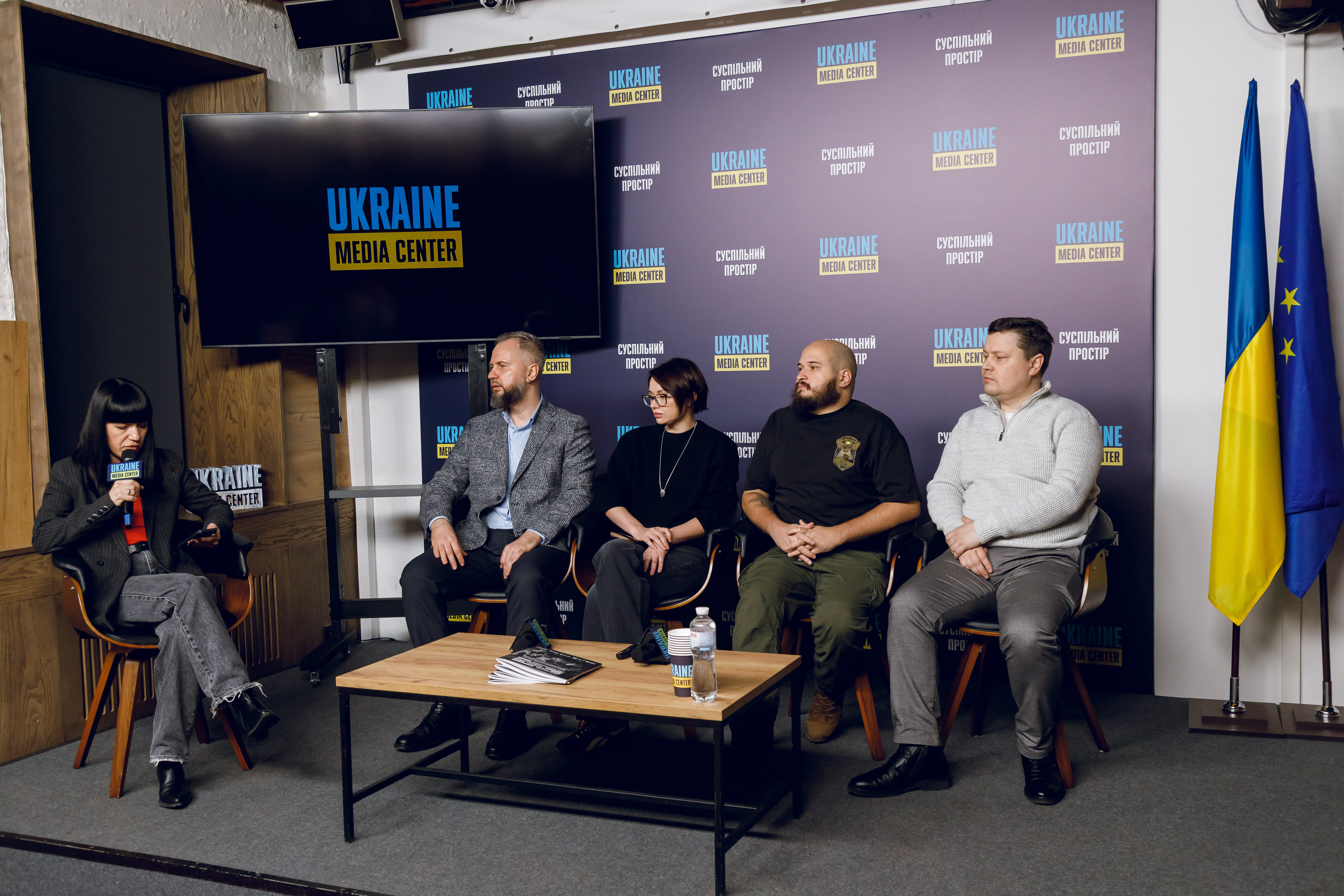


On December 18, a press briefing titled “An ‘Audit’ of the Commission under the Ministry for Development: What Systemic Problems Have Human Rights Defenders Identified?” took place at the Ukraine Media Center.
During the event, the Association of Relatives of Political Prisoners of the Kremlin presented the results of a public monitoring review of the work of the Commission on Establishing the Fact of Unlawful Deprivation of Personal Liberty as a Result of the Armed Aggression of the Russian Federation and proposed practical recommendations to address the identified shortcomings.
The mechanism for establishing the fact of unlawful deprivation of personal liberty, implemented through a special Commission under the Ministry for Communities, Territories and Infrastructure Development of Ukraine, was created to provide civilians who survived unlawful detention during the war with legal status and access to state assistance guaranteed by law.
In order to understand how the Commission currently operates, the Association of Relatives of Political Prisoners of the Kremlin has been conducting public monitoring reviews for many years. Their purpose is to provide an independent assessment of the Commission’s actual work – analyzing how applications submitted by civilians who survived unlawful detention are reviewed, on what grounds refusals are issued, and whether this procedure ensures real access to state assistance envisaged by legislation. This approach makes it possible to identify systemic problems in the Commission’s work, track changes in its practices over time, and develop practical recommendations to improve the mechanism for recognizing unlawful deprivation of liberty.
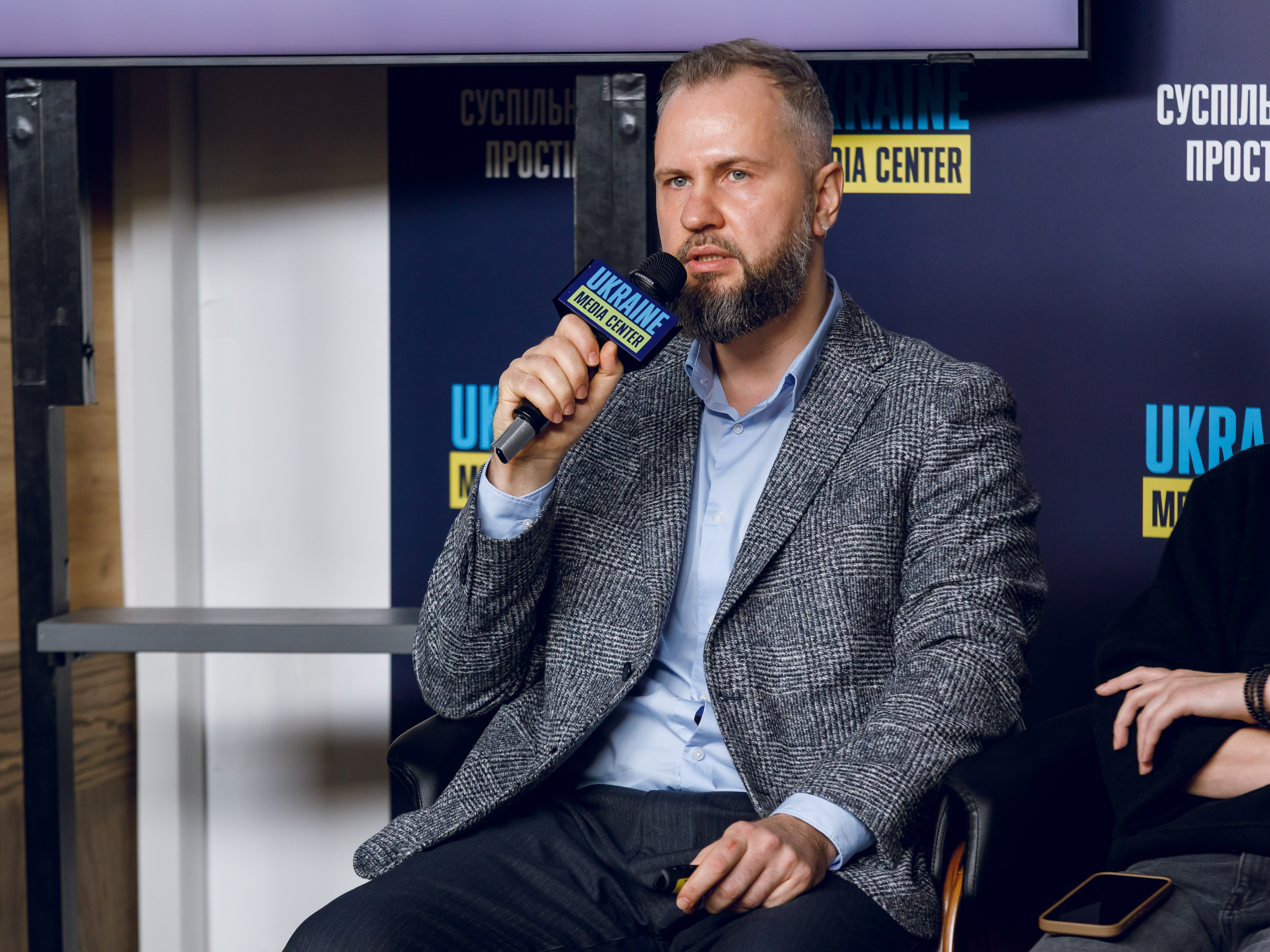
During his speech, Ihor Kotelianets, Head of the Association of Relatives of Political Prisoners of the Kremlin, focused on the key problem of the current procedure for establishing the fact of unlawful deprivation of liberty – its complete inconsistency with the realities of a full-scale war. He emphasized that after 2022 the nature of unlawful detentions changed radically: Russia began to detain civilians en masse without any formal grounds, without registration, without contact with relatives, and without issuing any documents. People may be held incommunicado for months or years and then released just as abruptly, without any explanations.
Despite this, the state places an excessive burden of proof on the victims themselves and avoids taking an active role in the process. According to Ihor Kotelianets, under such circumstances it is unclear what this “burden of proof” actually means and what evidence a person can realistically provide when the occupying power leaves no trace. He stressed that the political motive should be assessed not through the actions of the victim, but through the actions of the aggressor state, which uses unlawful detention as a tool of intimidation and control over the civilian population.
He also underlined that the Commission’s decision directly determines whether a person will receive state assistance after unlawful detention. When the procedure is built on distrust and formalistic requirements, many victims are effectively left without support and forced to cope with the consequences on their own. Therefore, according to Ihor Kotelianets, the Commission’s work must be based on a human-centered, victim-oriented approach – starting from a position of trust toward the affected person and an understanding of the circumstances in which they were held.
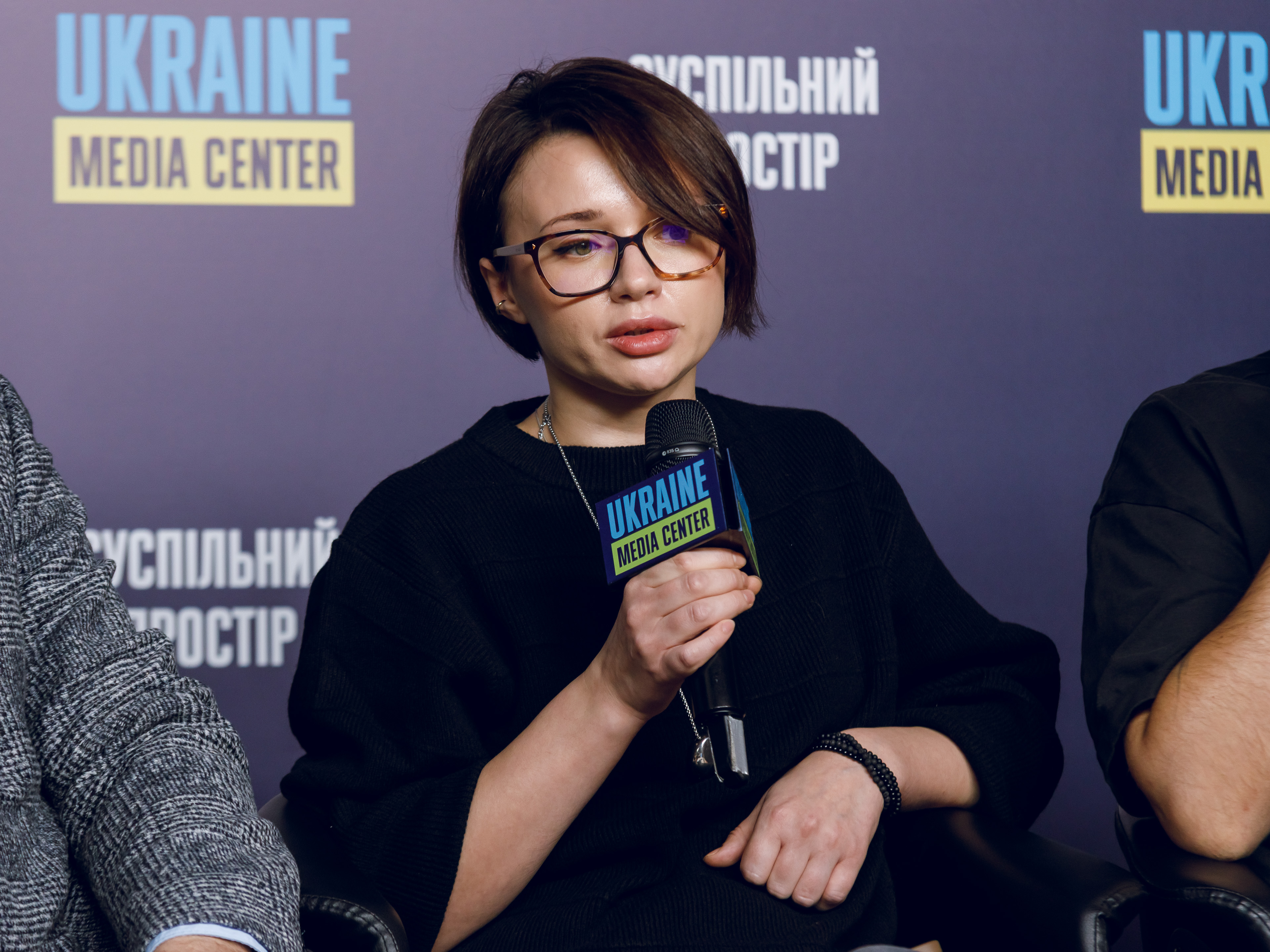
Kateryna Levchenko, Chief Legal Officer of the Association of Relatives of Political Prisoners of the Kremlin and author of the public monitoring review, addressed the procedural aspects of the Commission’s work and the legal traps faced by applicants. In particular, she spoke about refusals issued by the Commission to establish the fact of unlawful deprivation of liberty. Victims receive refusals in the form of formal letters without clear or comprehensible reasoning.
According to her, this practice deprives individuals of the ability to understand the grounds for refusal – whether certain information was missing, whether the Commission doubted the very fact of detention, or whether the issue lay in the interpretation of political motive. As a result, applicants do not know whether they should reapply or immediately seek judicial review, and the procedure turns into a vicious circle.
Kateryna Levchenko emphasized that unreasoned refusals are a serious problem not only from the perspective of fairness, but also from a legal standpoint, as they effectively prevent effective protection of human rights and access to state assistance. She also noted that the Commission rarely exercises its authority to hear applicants, does not involve independent experts, and requires renewal of its composition to reflect the new challenges that emerged after 2022 and the appearance of specialized civil society organizations working with civilians unlawfully detained since the start of Russia’s full-scale aggression against Ukraine. Without these changes, the procedure will remain formalistic and retraumatizing for victims.
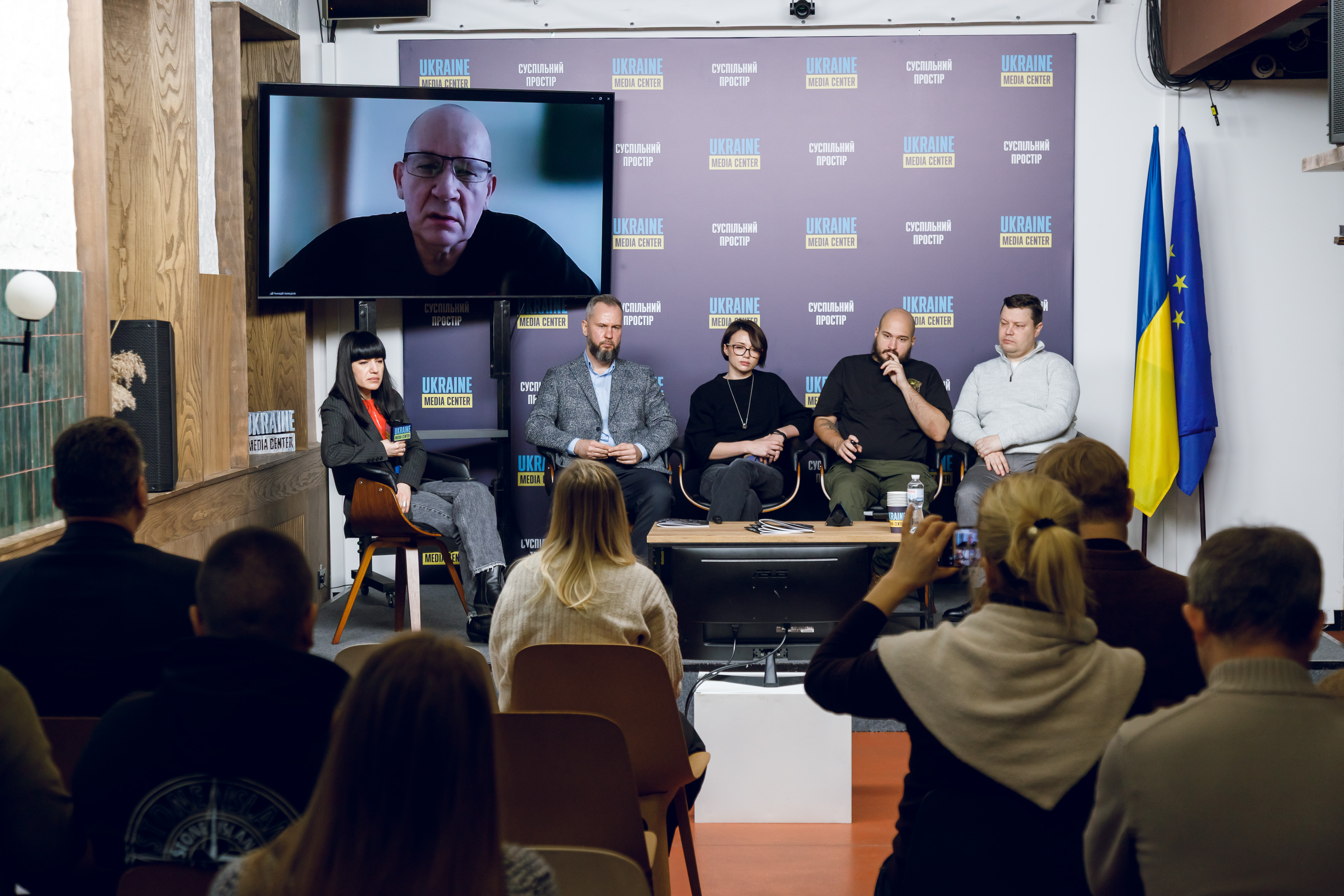
Hennadii Azhzheurov, a civilian released from unlawful detention, shared his personal experience of going through the procedure of establishing the fact of captivity, which lasted for several years. He explained that he submitted applications to the Commission multiple times and each time received refusals without explanations, not understanding what exactly was required of him or how he was supposed to prove his detention.
According to him, the procedure itself became a secondary trauma – after surviving unlawful detention, a person is once again forced to prove that a crime was committed against them. A positive outcome was achieved only after he sought assistance from the Association of Relatives of Political Prisoners of the Kremlin and challenged the Commission’s decisions in court. Without legal support and judicial proceedings, Azhzheurov stressed, the system is practically insurmountable for an ordinary person.
His story is typical for many civilians who survived unlawful detention and demonstrates that the current procedure requires not cosmetic changes, but a fundamental rethinking with a clear focus on the individual.
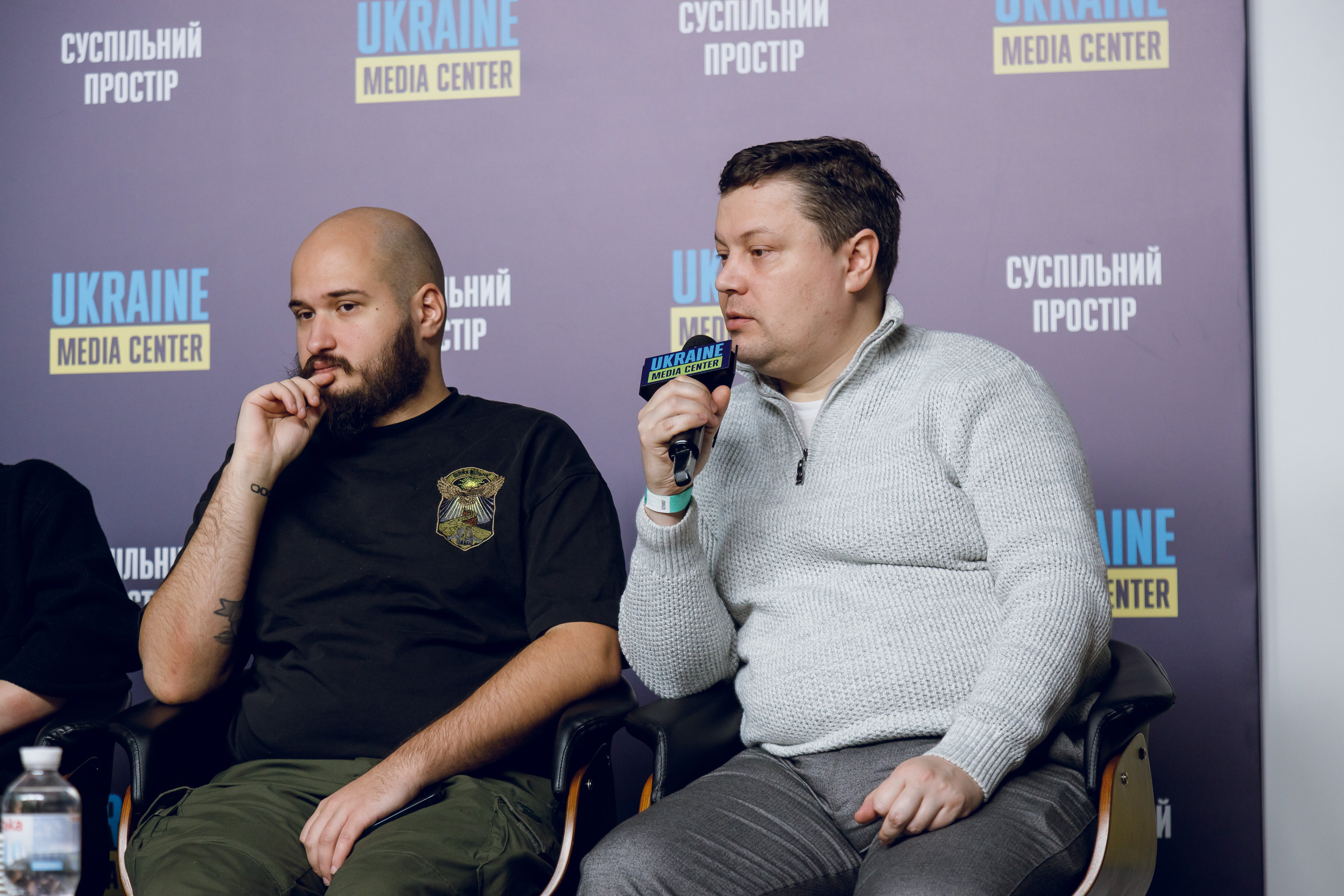
Kostiantyn Davydenko, Deputy Head of the NGO Civilians in Captivity, drew attention to paradoxical and absurd situations faced by victims. He cited cases where people returned to Ukraine as part of official exchanges were later not formally recognized as having been unlawfully detained. According to him, such cases clearly demonstrate problems in the approaches to evaluating evidence and confirming the very fact of captivity.
In this context, Kostiantyn Davydenko stressed that the Commission should not rely on documents issued by the Russian Federation as decisive evidence, as they are often falsified or entirely absent. Instead, the state must take an active role in collecting and analyzing information, using the capacities of its investigative bodies rather than shifting this responsibility onto individuals who have just returned from captivity and are in an extremely vulnerable condition.
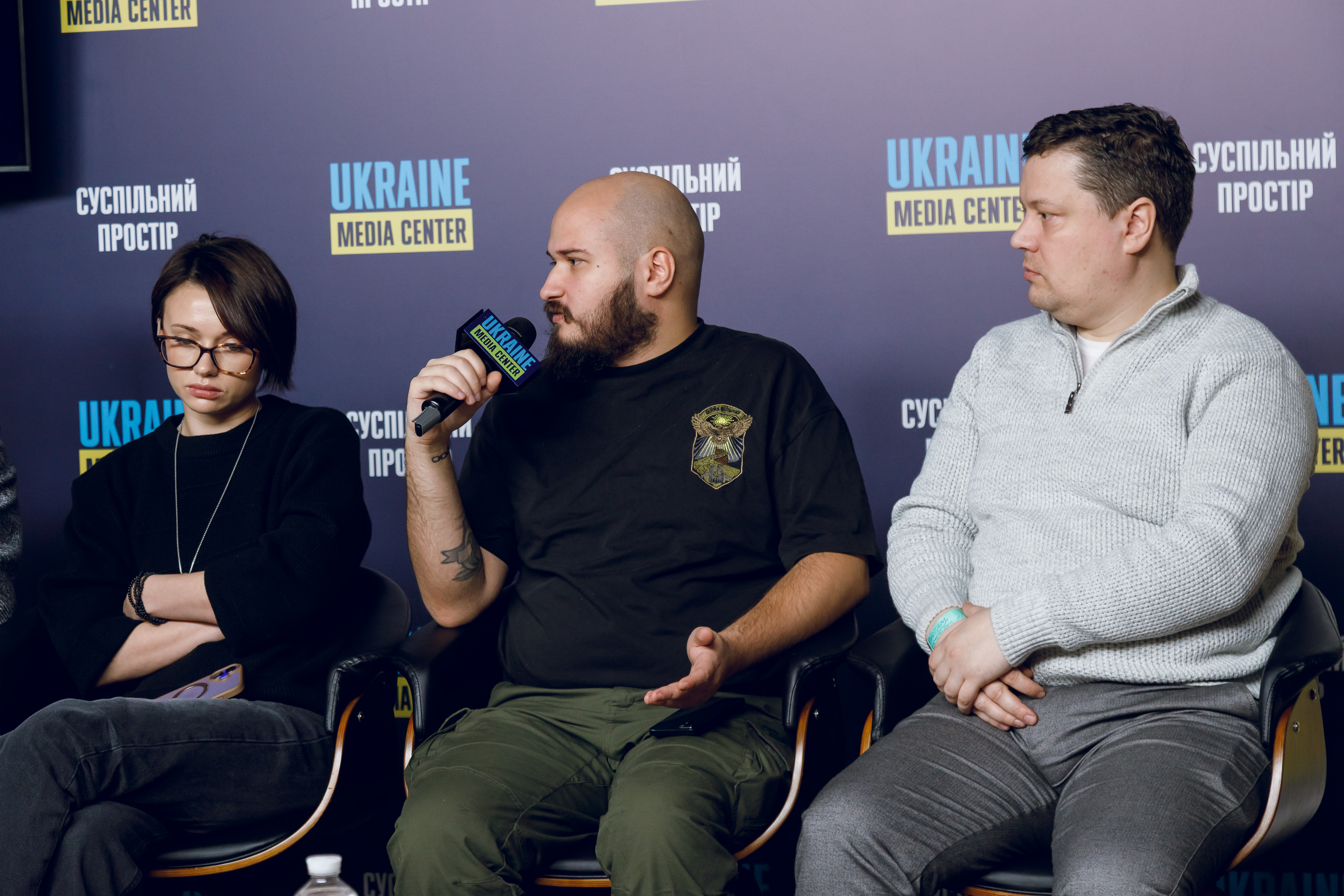
Daniil Bulhakov, Deputy Head for Communications of the NGO Way of the Free, spoke about less visible but no less dangerous consequences of the current system – the loss of trust in the state as an institution. He noted that while in captivity, people often survive by holding on to the belief that Ukraine remembers them and is fighting for them.
However, after returning, many encounter cold bureaucracy, complex procedures, and unexplained refusals. Under such conditions, Bulhakov emphasized, people begin to doubt whether their state actually needs them. This leads to situations where some civilians released independently do not want or are afraid to return to Ukraine, not feeling support or protection there.
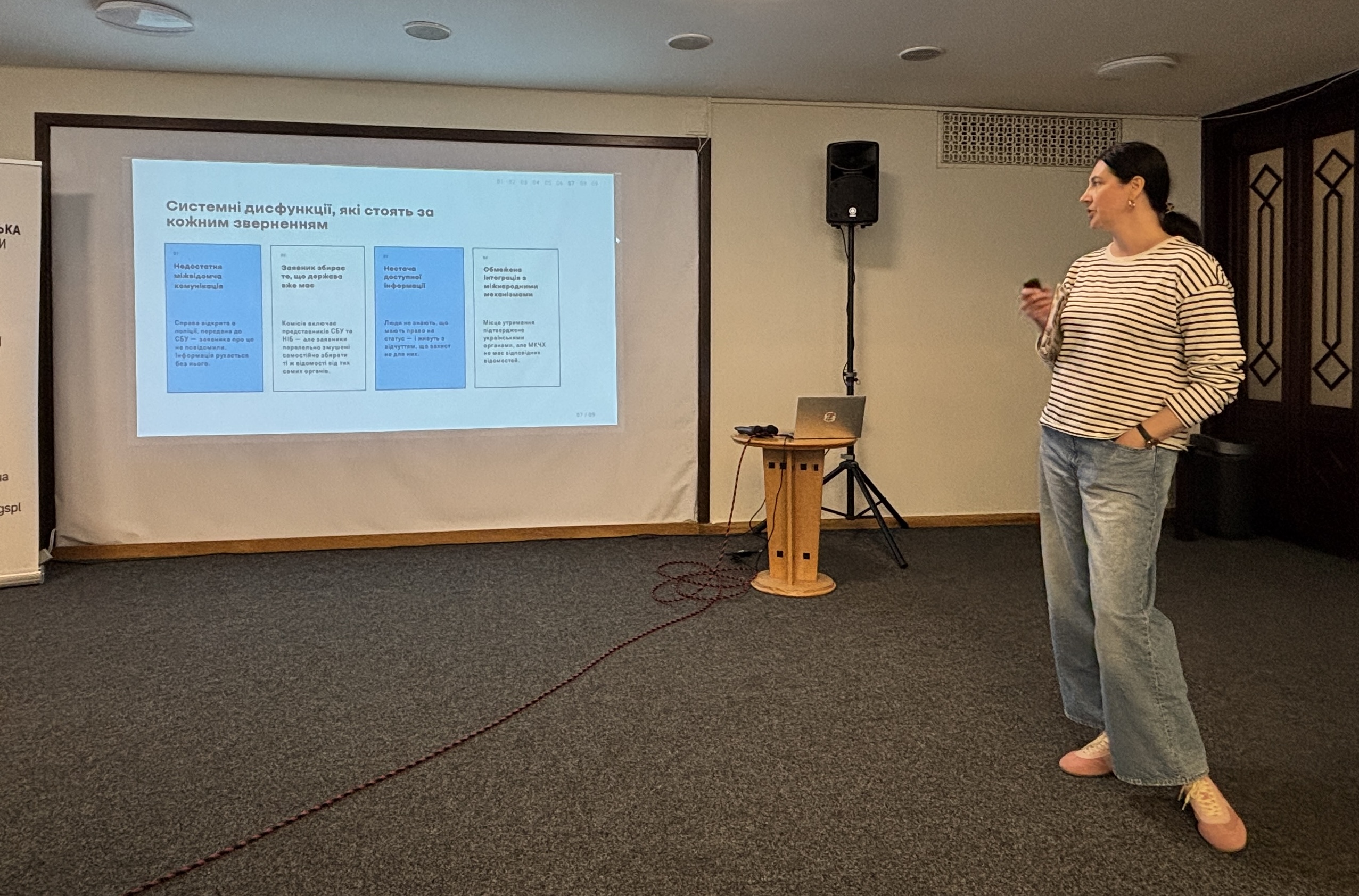
The presentation of the public monitoring review demonstrated that the problems in the work of the Commission on Establishing the Fact of Unlawful Deprivation of Personal Liberty are systemic in nature. These are not isolated mistakes or particularly complex cases, but a procedure that fails to keep pace with the realities of a full-scale war and often does not take into account the vulnerable condition of people who survived unlawful detention.
At the same time, many of these problems can already be addressed without waiting for legislative changes. Among the proposed steps are systematic training for Commission members, particularly on the specifics of unlawful detention of civilians during war, assessment of evidence in conditions of occupation, and the application of a victim-centered approach developed by the Association of Relatives of Political Prisoners of the Kremlin. This would enable the Commission to fully exercise its mandate and adopt more reasoned and comprehensible decisions.