

Thousands of Ukrainians have endured unlawful detention, and after returning to territory controlled by Ukraine, the consequences of captivity do not disappear: physical and mental health problems, lost documents, lack of housing, and the need to find work. Thousands of our fellow citizens remain disoriented and need state support. Hundreds of civilians return from Russian prisons through official exchanges, while thousands more return on their own. All of them need proper support from the state.
From a legislative perspective, their situation may appear protected, but in practice they receive nothing from the state. They remain disoriented and abandoned, without a clear understanding of how to reintegrate into society. So what does Ukrainian legislation actually provide, what does it fail to take into account, what are the real needs of civilians who have survived unlawful detention, and has the state built a rehabilitation system for them upon their return?
These questions are addressed in the report “After Unlawful Deprivation of Liberty: From Survival to Recovery”, prepared by the NGO Association of Relatives of Kremlin Political Prisoners and presented on 26 February 2026.
The report is based on a qualitative analytical study. The organisation’s team analysed current Ukrainian legislation and its implementation in practice, including the procedure for establishing the fact of unlawful deprivation of liberty, as well as international documents and resolutions that Ukraine has undertaken to implement in the areas of the prohibition of torture and the right to reparations.
The research included an interactive survey of 49 participants (released persons, family members, NGO representatives, and state authorities), an expert roundtable involving 43 specialised non-governmental organisations, and a review of more than 550 legal aid requests received by the Association in 2025. This approach made it possible to combine legal analysis with the real experiences of survivors and develop practical recommendations.
Based on the findings, the report proposes systemic changes – namely, the introduction of a state framework rehabilitation programme until 2030, which would include:
Among the report’s key recommendations are amendments to legislation to ensure access to urgent assistance without lengthy proof of status, designation of a responsible body to coordinate the rehabilitation pathway, and the development of state standards for assistance to torture survivors.
A separate emphasis is placed on the need to attract international resources. This includes the creation of a special support fund for victims of unlawful detention and torture with the participation of international donors, expert assistance in implementing rehabilitation standards, and the possibility of completing certain stages of recovery abroad in a safe environment. Human rights defenders stress that international solidarity may become a key factor in launching a full-fledged and sustainable rehabilitation system in Ukraine.
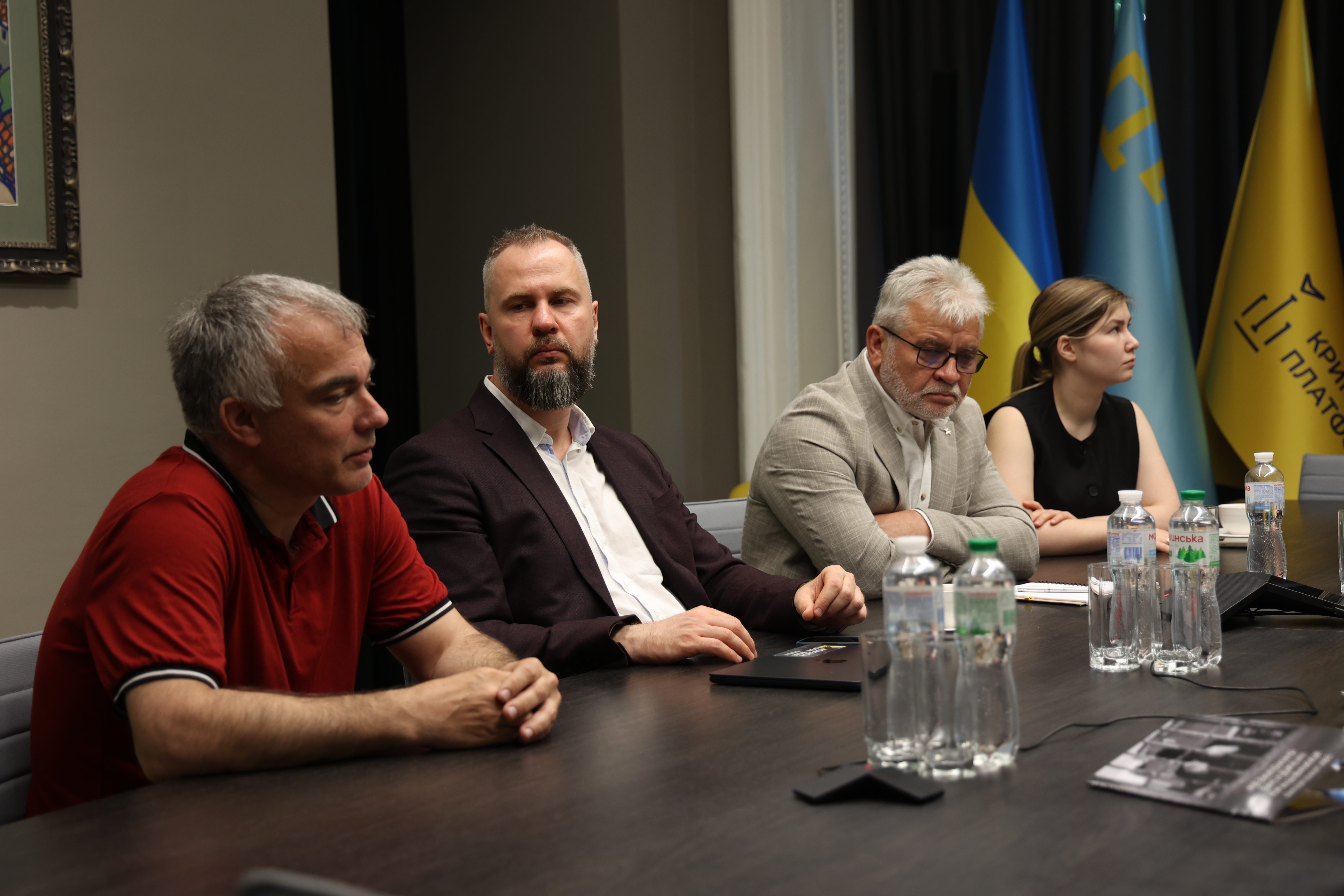
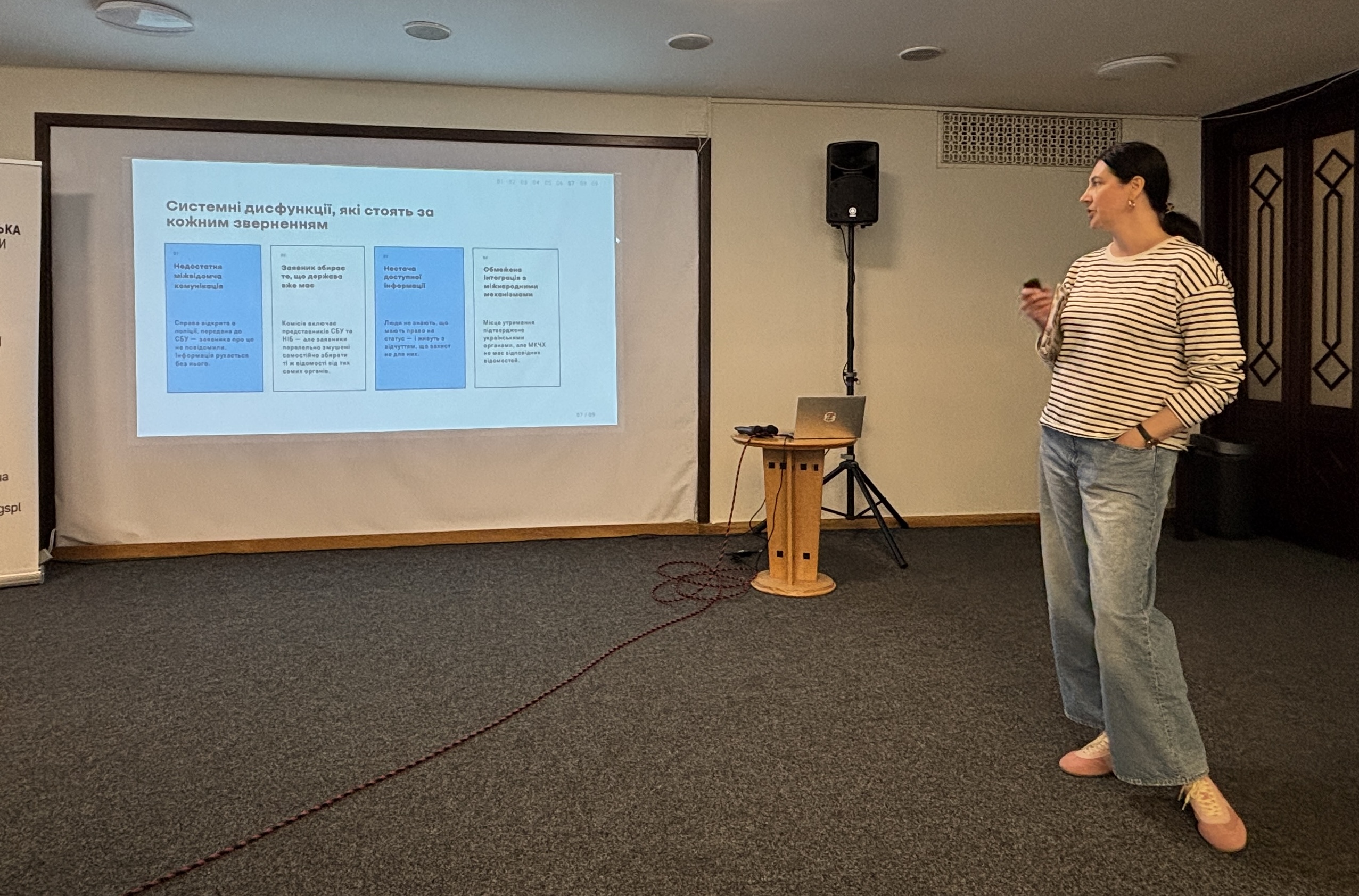
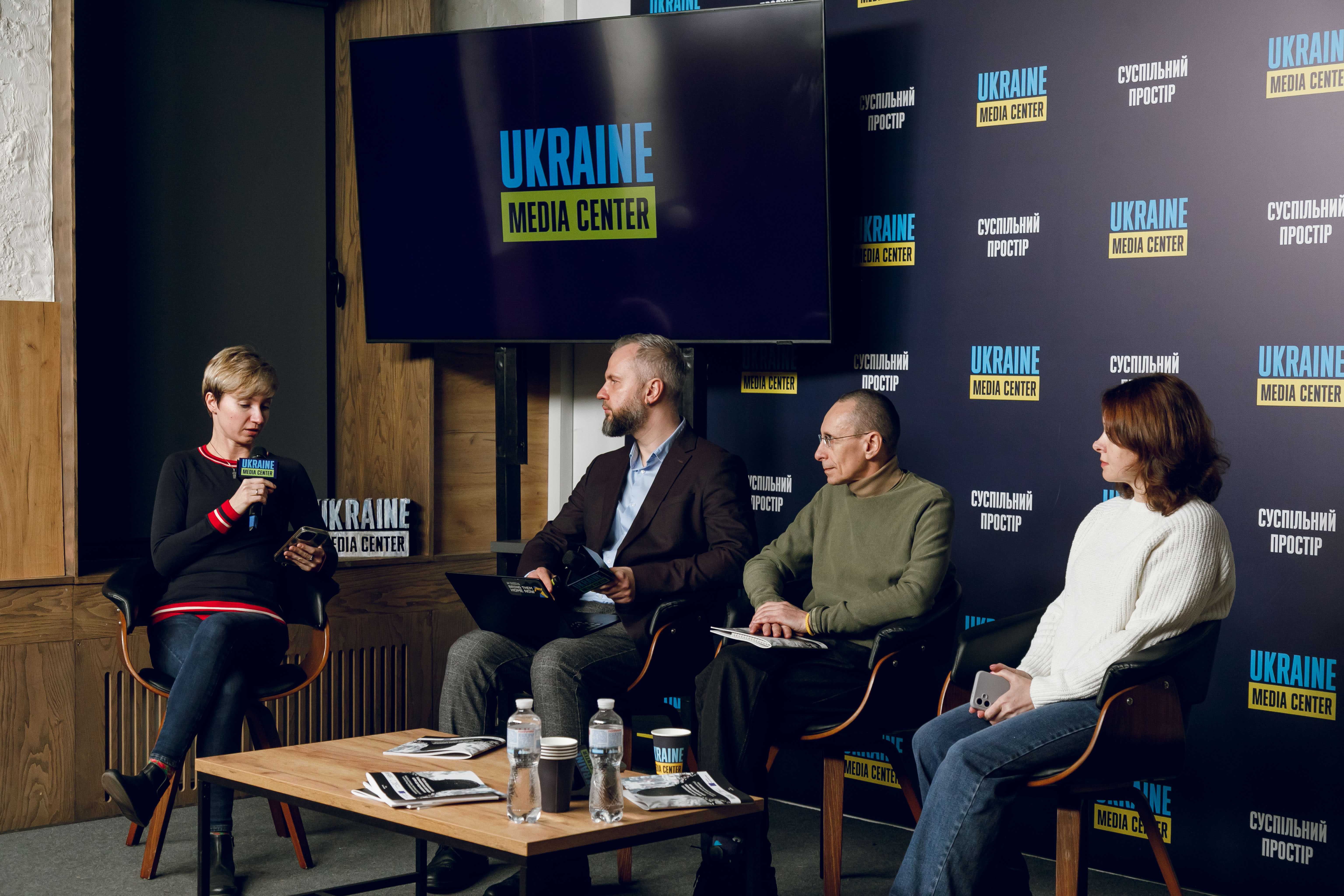
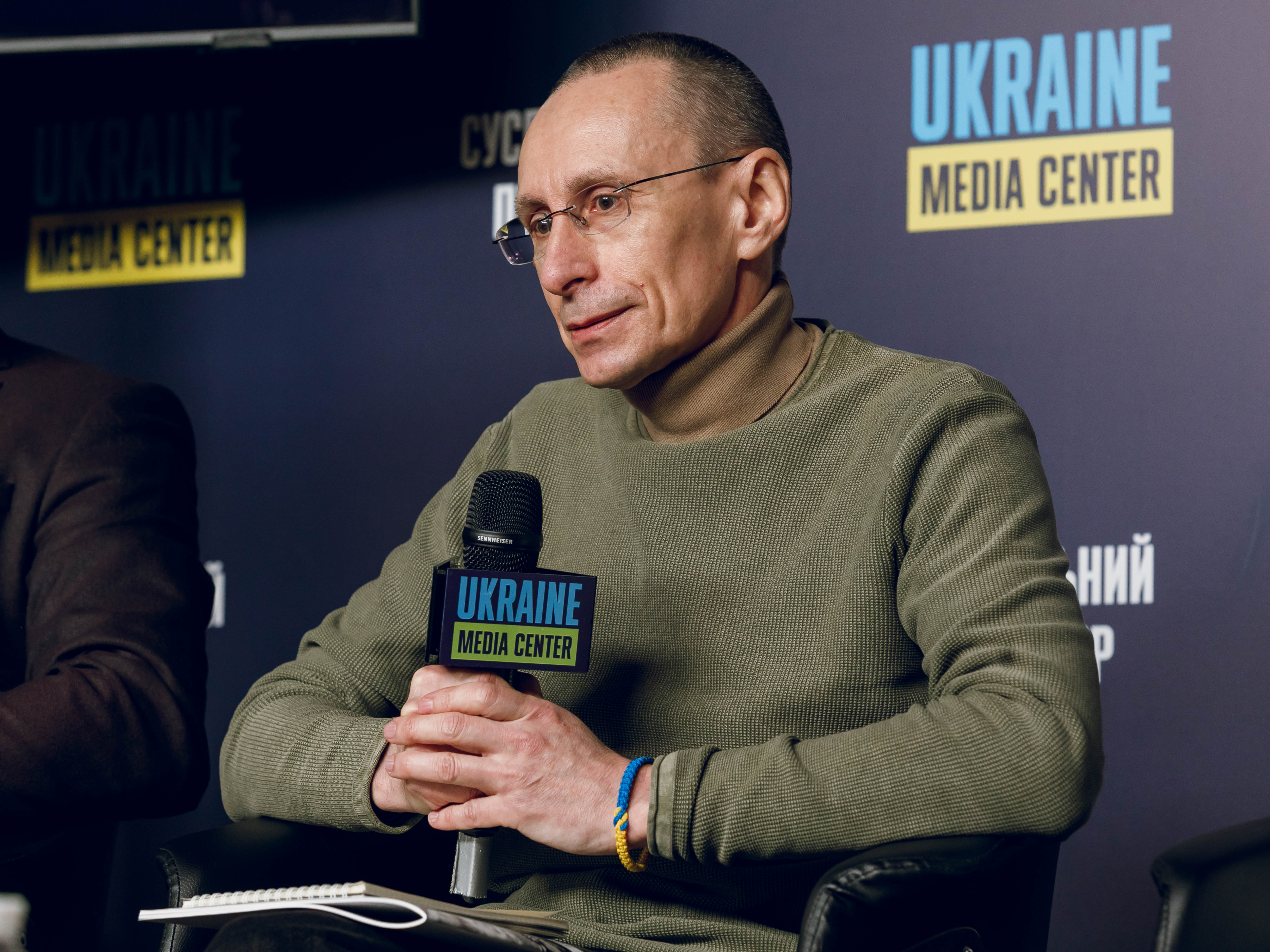
The report presentation featured human rights defenders, experts, and people released from unlawful detention.
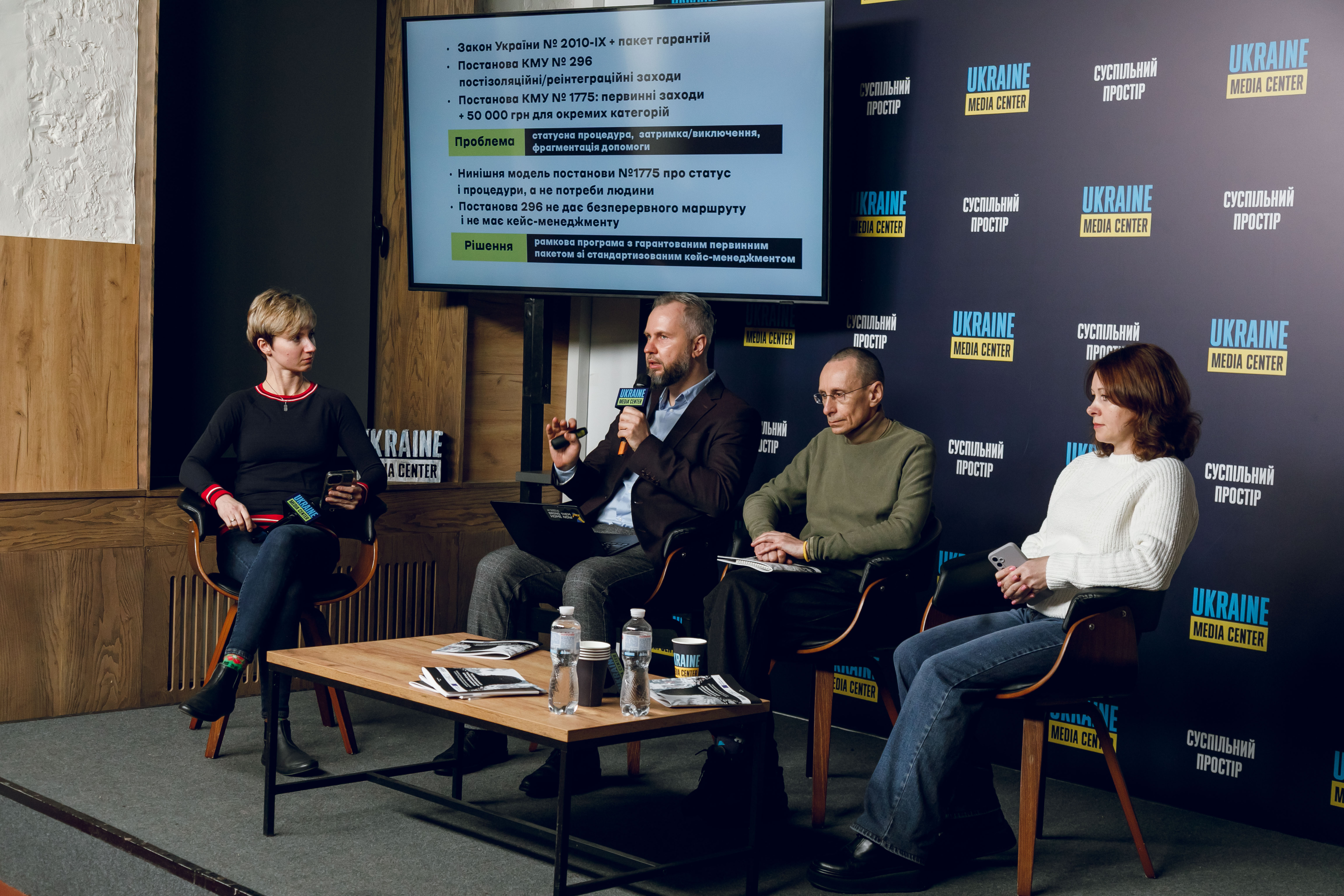
“Rehabilitation Is Not a Privilege, but a State Obligation”
In his speech, Igor Kotelianets, Head of the NGO Association of Relatives of Kremlin Political Prisoners, focused on the systemic problem of the status-oriented model of support for released civilians.
He stressed that today the state effectively forces a person first to prove the fact of unlawful detention, go through complex commissions and bureaucratic procedures, and only then become eligible for assistance. In his view, such an approach contradicts international standards in the field of the prohibition of torture and the right to reparations.
“We view rehabilitation and reintegration not as ‘additional social measures,’ but as part of the implementation of the right to an effective remedy and the restoration of violated rights. The state must ensure access to medical, psychological, social, and legal rehabilitation aimed at restoring dignity and functioning.”
He also underlined the need to shift to a human-centred and victim-centred model, in which support begins immediately, from the very first days after release, while a “single pathway” of assistance and the assignment of a case manager to each released person become key elements.
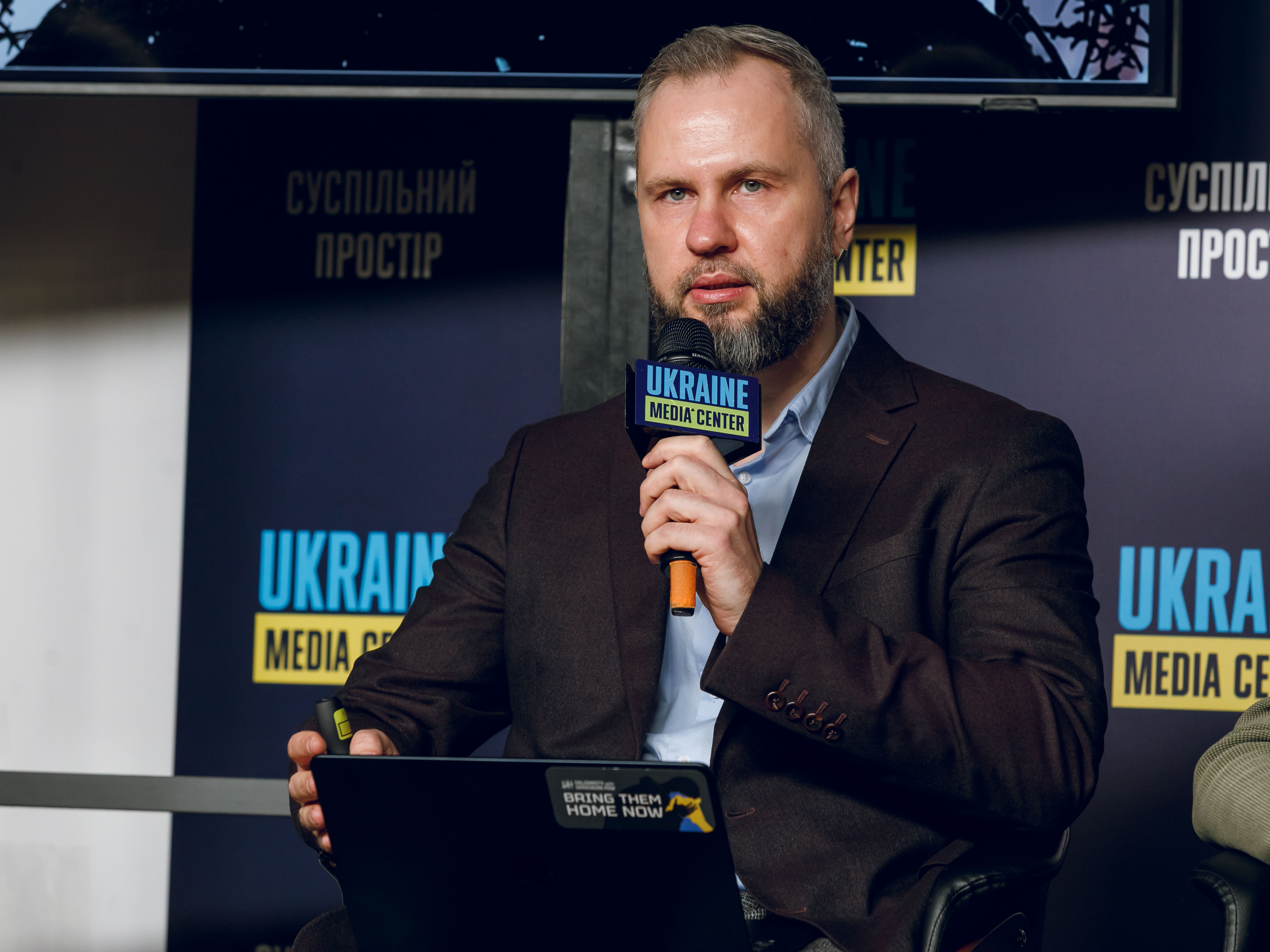
“The Consequences of Unlawful Detention Cannot Be Treated Separately – Only Comprehensively”
Tetiana Maletska, a clinical psychologist at the Lisova Polyana Mental Health and Rehabilitation Centre, focused on the practical model of assistance for released civilians that has already been successfully implemented at their centre.
She explained that the experience of captivity combines physical, psychological, and social consequences at the same time. That is why Lisova Polyana applies a biopsychosocial approach – a model that recognises that the consequences of unlawful detention have physical, psychological, and social dimensions simultaneously, and therefore cannot be addressed in isolation. Treatment of bodily injuries and chronic illnesses, work with traumatic experiences, PTSD, and anxiety disorders, as well as resolving issues related to documents, housing, social adaptation, and restoring a person’s role in society, all take place in parallel and in coordination within a multidisciplinary team of specialists.
“A person cannot recover psychologically if their basic social issues remain unresolved. And conversely, only comprehensive support produces results.”
Tetiana also highlighted the fundamental role of a case manager, who accompanies the person throughout the process and helps them navigate the system of available services.
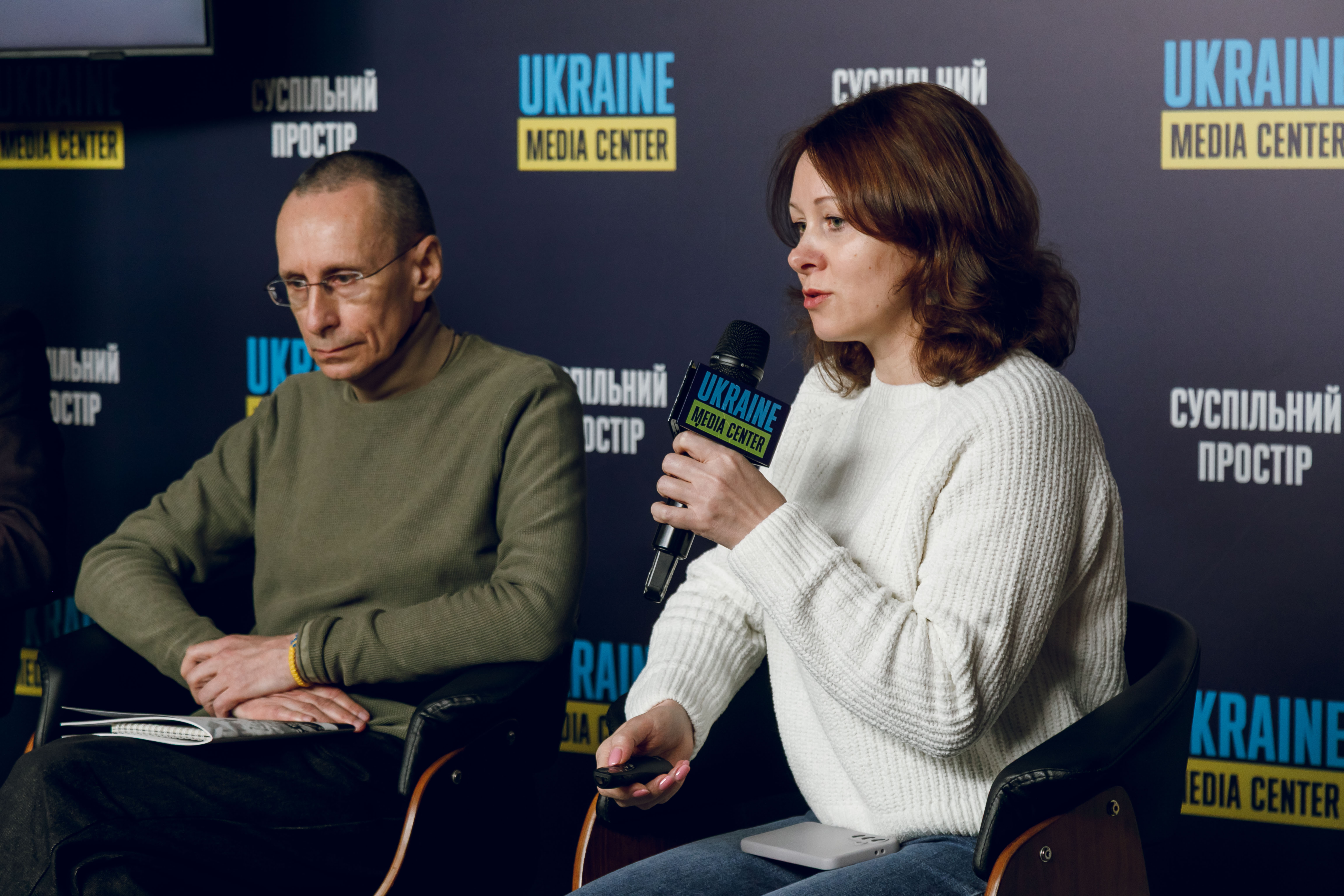
“If the Family Does Not Go Through This Path Together, the Person Is Left Alone Again”
Azat Azatian, founder of the Shliakh Vilnykh rehabilitation centre in Zaporizhzhia and a survivor of unlawful detention, focused in his speech on an aspect that is often overlooked – the emotional condition of the families of released persons.
He stressed that after returning home, a person brings back not only the joy of release, but also traumatic experiences: isolation, torture, and constant fear. The family, which has spent all this time waiting and living in uncertainty, also carries its own wounds. Yet the state barely takes this dimension into account in its rehabilitation system.
“A person returns home, but neither they nor their family understand how to live дальше. If the family does not receive support, conflicts and misunderstandings begin. There are cases when this ends in divorce,” Azat noted.
According to him, rehabilitation must be comprehensive and include work with loved ones – psychological support, explanations of the consequences of PTSD, and assistance in restoring trust and communication. Otherwise, a person risks ending up isolated once again – no longer in a cell, but in their own life.
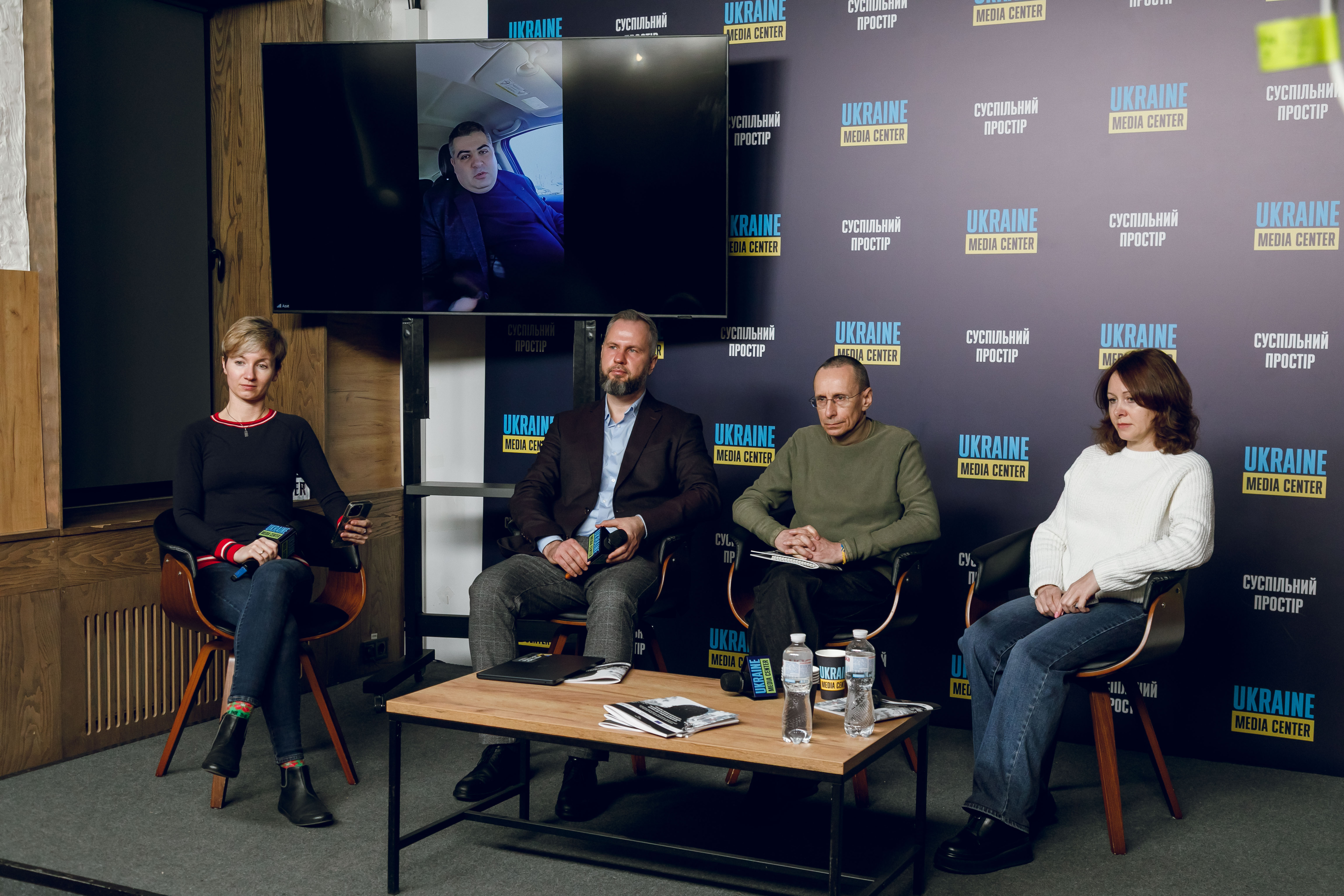
“After captivity, you return to your own country – but it is no longer the same, and you have to learn how to live again”
Yurii Shapovalov, a doctor and survivor of unlawful detention, spoke not only about bureaucracy in his remarks, but also about the profound disorientation that follows return. He spent years under occupation and more than seven years in captivity.
“You come home, but it is already a different reality. It feels as if you are learning how to live all over again,” he said, describing his first period after release.
His first weeks after release were filled with medical examinations, meetings with various services, and conversations with officials. Yet Yurii noted that once this stage is over, people are, in effect, left on their own. For him, one of the most painful struggles was restoring his professional status: his medical diploma, confirmation of his internship, and proof of his employment record – without these documents, returning to work was impossible.
“After captivity, you find yourself fighting again – this time against bureaucracy. And without someone who can guide you through this path, you simply get lost,” he stressed.
According to Shapovalov, released people need not only formal guarantees, but also a clear support pathway and individual accompaniment so that returning home does not become a new stage of hardship.
The testimonies of the experts confirm the reality our organisation described in the report. Its presentation is an invitation to an open dialogue among the state, civil society, and survivors in order to create a real rather than merely formal rehabilitation system.
This event is funded by the European Union within the framework of a subgrant provided by the Center for Civil Liberties. Its content is the sole responsibility of the NGO Association of Relatives of Kremlin Political Prisoners and does not necessarily reflect the views of the Center for Civil Liberties or the European Union.