

After their return from "captivity," civilians often find themselves without documents, housing, employment, or access to medical treatment. Yet instead of support, the state offers them a complex and opaque bureaucratic procedure.
In 2025, the Commission on the Establishment of the Fact of Unlawful Deprivation of Personal Liberty received 4,757 applications for review. Out of 3,691 positive decisions on these applications, only 250 concerned civilians. Based on our estimates, the share of refusals among civilian applicants in 2025 reached 81%.
Without a Commission decision, a person cannot access:
— financial assistance;
— rehabilitation;
— interim reparations;
— official status as a person affected.
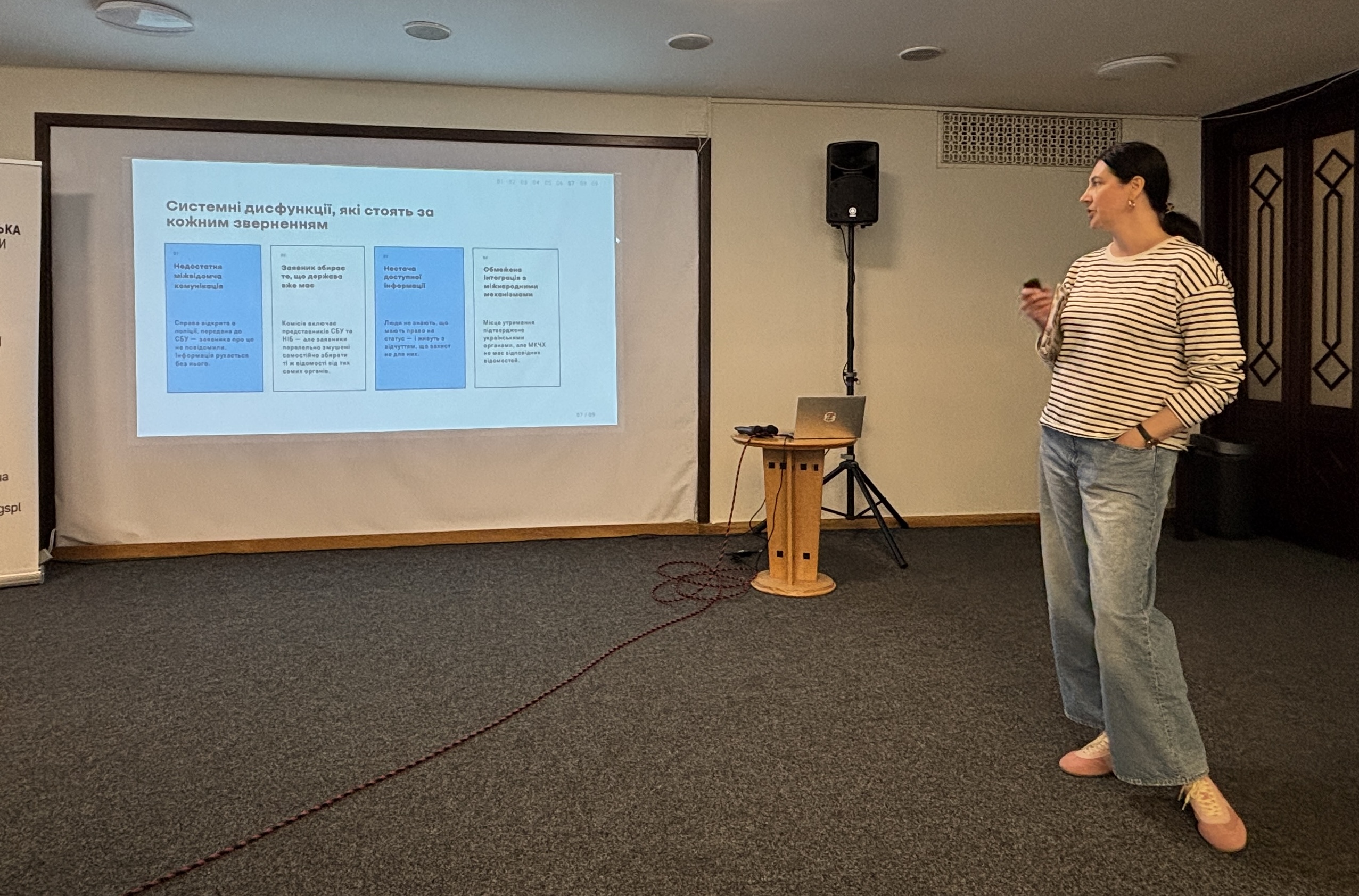
The core problem with the refusals is that the Commission, in breach of the legislation, does not give the grounds for its refusal and shifts the burden of gathering documents onto those affected and their families — even though all the relevant state bodies that issue these documents are represented on the Commission itself. Without knowing the grounds for refusal, an applicant has no way of knowing what they need to fix in order to obtain state support.
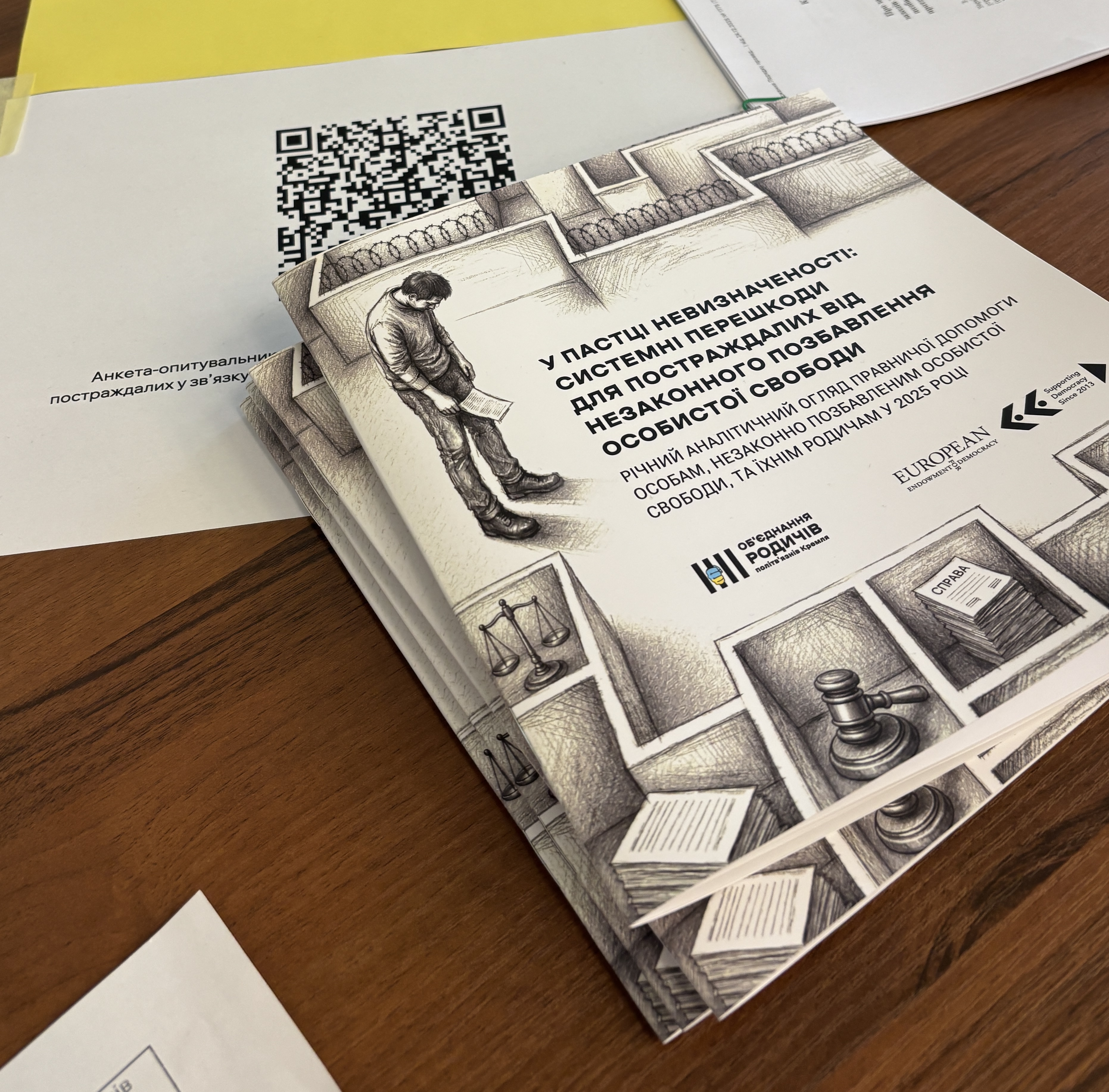
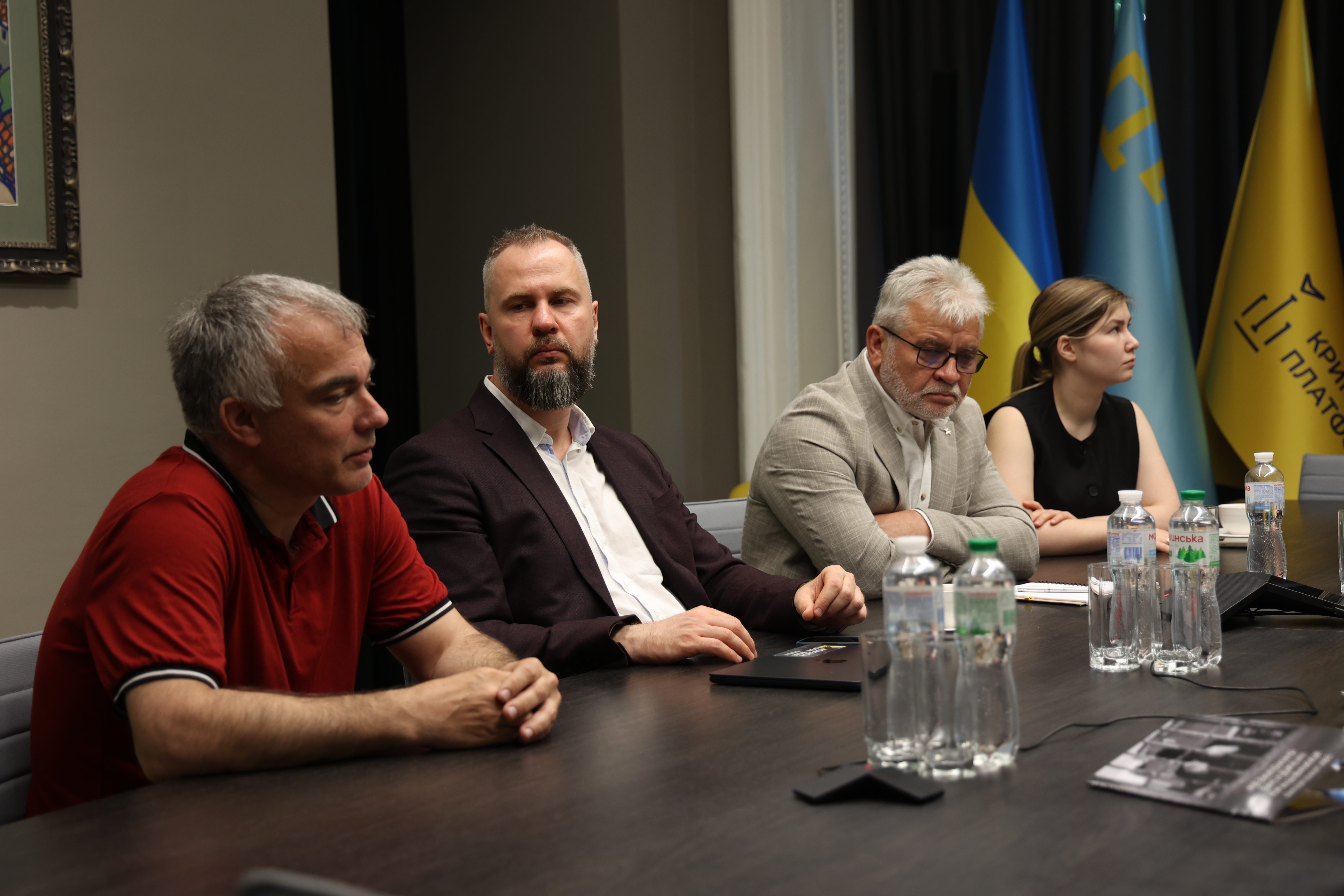
On 20 May, during a focus group organized by the Ukrainian Helsinki Human Rights Union (UHHRU), we — as the event's partner — presented an analysis of cases handled by the Association's legal service in 2025. Our experience shows that, after our legal assistance service works with applicants to refine their applications and gather supporting evidence, many repeat applications end in positive decisions. Even so, the majority of applicants are left abandoned by the state at their most difficult moment.
We demand of the Commission and the Ministry of Development:
— that decisions to refuse an application set out the grounds for refusal in the reply to the applicant, with a clear list of the deficiencies identified; — transparent criteria for the consideration of applications.
We call on the Government to create a dedicated body to support civilians who have lived through Russian imprisonment, and to transfer the Commission to its competent oversight.